
The Most Absurd Excuses Workers Used to Call in Sick This Year
No one should be forced to go into work when they are sick — not only is it bad for the employee’s health and productivity, it’s also bad for the health of everyone around that person. But some employees are going to great lengths to get a free, personal day off work.
Slightly more than a third of workers (35 percent) said they have called in to work sick when they were feeling just fine in the past year. When asked why they called in sick when they were feeling well, 28 percent said they just didn’t feel like going in to work and 27 percent took the day off to attend a doctor’s appointment. Another 24 percent said they needed to just relax and 18 percent needed to catch up on sleep. Meanwhile, 11 percent took the day off to run personal errands.
Checking on the Check Up
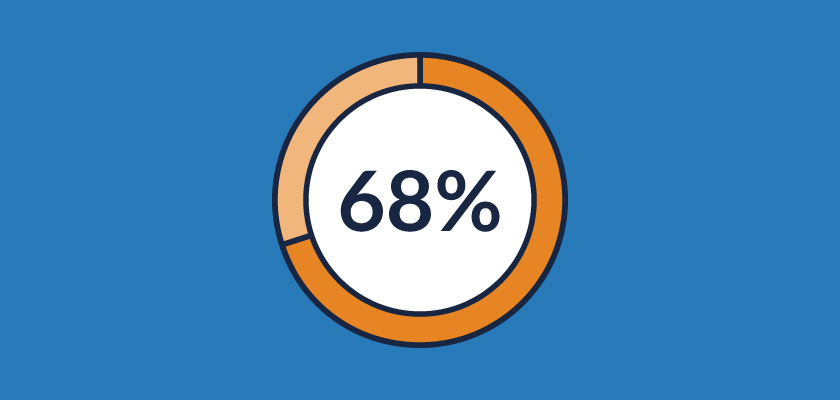
Though the majority of employers (67 percent) give their employees the benefit of the doubt, 33 percent say they have checked to see if an employee was telling the truth in one way or another. Among employers who have checked up on an employee who called in sick, asking to see a doctor’s note was the most popular way to find out if the absence was legit (68 percent), followed by calling the employee (43 percent). As many as 18 percent of employers went the extra mile and drove past the employee’s house.
More than 1 in 5 employers (22 percent) say they have fired an employee for calling in sick with a fake excuse, on par with last year.
The Craziest Excuses for Calling in Sick
When asked to share the most dubious excuses employees have given for calling in sick, employers reported hearing the following real-life examples:
- Employee’s pressure cooker had exploded and scared her sister, so she had to stay home.
- Employee said her roots were showing and she had to keep her hair appointment because she looked like a mess.
- Employee ate cat food instead of tuna and was deathly ill.
- Employee said she wasn’t sick but her llama was.
- Employee ate too much birthday cake.
How to Stop Employees From Fibbing
Employers should take a look at what’s keeping employees off the job and then decide what they can do to help. A company’s policy on taking time off should reflect the needs of the staff.
The CareerBuilder study found that 47 percent of employers do not have a flexible PTO program where sick days, vacation days and personal days are all lumped in together. Inflexible scheduling may put an employee in the position of having to fake a cold and take an entire day off when he or she only needed a few hours to take an elderly parent to a doctor’s appointment.
Of course, as noted in the crazy excuses above, employees don’t always have a good excuse for lying – most often they simply don’t feel like coming in – but personal needs and stress account for a large number of unscheduled absences, so being flexible in allowing workers to meet demands on the home front is important. Workers in turn are more appreciative of the company and more willing to go the extra mile.
What’s the most absurd excuse you’ve ever heard when an employee has called in sick? Tweet us at @CareerBuilder



Recommended Content:
-

Female workers nearly 3x more likely to think there is pay disparity at work
Explore the causes behind the scenes of female pay disparities in the workplace before exploring how organizations can take a proactive approach to equal pay.
Read Article
-

Building to deliver more qualified candidates, faster
Explore how CareerBuilder is evolving to deliver more qualified candidates, faster, and discover some tips and methods to help improve your recruitment funnel.
Read Article
-

Here’s what candidates want in today’s job market
Before diving into understanding what candidates want in today’s job market, explore the state of today’s job market to help you find the right talent.
Read Article