
Is the Growing Skills Gap Causing Nurse Burnout?
The burgeoning skills gap in our nation is probably something you’ve heard a lot about. Employers across all industries are struggling to find the right talent to fill their open positions. Nursing, the backbone of U.S. health care, is not immune to this growing talent shortage – 56 percent of health care employers say they currently have open positions for which they cannot find qualified candidates, seven percentage points higher than any other industry surveyed.
Meanwhile, the number of nursing jobs is increasing at an accelerated rate. CareerBuilder’s analysis of the labor market shows the number of nursing jobs (RN and LPN) in the U.S. grew 6 percent from 2012 to 2016 to 3.5 million, and is expected to grow another 7 percent from 3.6 million in 2017 to 3.9 million in 2021.
Employers looking everywhere for the right talent
As nursing jobs increase, employers are struggling to find qualified talent to fill job vacancies. CareerBuilder research looked at the number of unique (or de-duplicated) nursing job postings in Q1 2017 and compared that to the total number of job postings for nurses – meaning how many times those unique job postings were posted on other sites – to find a stat called the posting intensity ratio. The higher the posting intensity ratio, the more effort employers are putting toward hiring.
In Q1 2017, the average number of unique job postings for registered nurses was 178,586, but the total number of job postings for registered nurses in that timeframe was 1,749,900 – a ratio of 10:1. That means every unique job listing for registered nurses was posted an average of ten times on different sites, signaling a highly competitive hiring environment where employers are using multiple touch points to try to reach potential job candidates.
Talent shortage may lead to burnout
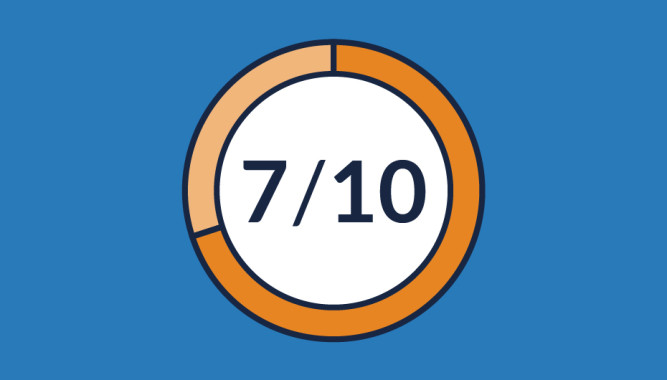
This skills gap is leaving nurses currently on staff with larger workloads and longer hours. Day-to-day demands and high pressure situations have 7 in 10 nurses saying they feel burnt out in their current job, and 54 percent of nurses rating their stress level at work as high.
The effects of stress are real – nurses report feeling tired all the time (50 percent), experiencing sleepless nights (35 percent), weight gain (33 percent), high anxiety (32 percent), aches and pains (32 percent) and depression (19 percent).
Seventy-eight percent of nurses say their company does not offer classes or programs to help employees manage stress.
How you can combat nurse burnout and fill your skills gap
- Build relationships with nurses in the community. In order to recruit nurses, merely posting jobs no longer cuts it. Employers need to build relationships with nurses in their communities. Creating a network of nursing talent will help you build your pipeline of candidates.
- Recognize nurse burn out, and provide the right tools. Burned out nurses are causing harm not only to themselves – long-term high levels of stress can be a major detriment to one’s health – but they can also be putting their patients at risk. Make sure your nurses are getting the support they need by offering a flexible work environment, encouraging exercise, establishing an open door policy and offering mental health tools.
- Focus on continued education. Talk to nurses about career ladders, and encourage them to take classes in areas they’d like to grow. Establish a mentorship program and encourage team members to seek each other out for advice. Encourage team bonding and the formation of solid, trusting relationships– colleagues are an important source of support at work.
For more advice on filling your nursing skills gap, check out these blog posts:
- “Recruiting Strategies to Navigate the Nursing Shortage”
- “Managing the Nursing Shortage: A Q&A With Signature Health’s VP of Talent Acquisition”

Recommended Content:
-

Female workers nearly 3x more likely to think there is pay disparity at work
Explore the causes behind the scenes of female pay disparities in the workplace before exploring how organizations can take a proactive approach to equal pay.
Read Article
-

Streamline your recruitment process with a recruiting workflow
Learn about recruiting workflows, including the steps involved in developing them and best practices to manage and improve your recruiting process.
Read Article
-

Navigating the future: New trends in talent acquisition for 2025
Learn about some of the top trends that are shaping talent acquisition, along with tips and advice to help your company adopt these trends to stay competitive.
Read Article