
Hiring This Year’s College Graduates? Be Prepared to Pay
College graduation ceremonies are about to begin around the U.S.—a celebration of four years of hard work. This also means droves of new talent will enter the job market.
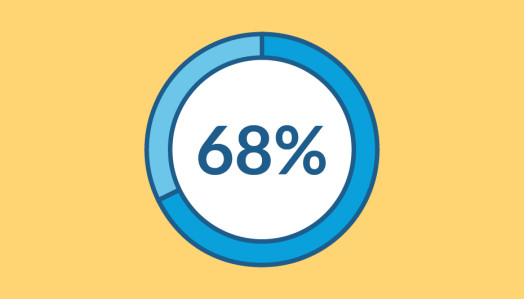
Since the recession, much of the news for new graduates has been unsettling, with sporadic periods where the market improves. But this year’s graduates should be happy to learn that hiring is expected to go up this year, according to new CareerBuilder research. According to the data, 74 percent of employers say they plan to hire recent college graduates this year, up from 67 percent last year and the highest outlook since 2007. Half plan to offer recent college graduates higher pay (compared to 37 percent last year), and 39 percent of employers hiring recent college graduates will pay a starting salary of $50,000 or more (compared to 27 percent last year).
The increased interest in hiring recent college grads, and the indication that more companies are looking to increase compensation, should provide some optimism to soon-to-be graduates. But that doesn’t mean they’re exactly what employers are looking for.
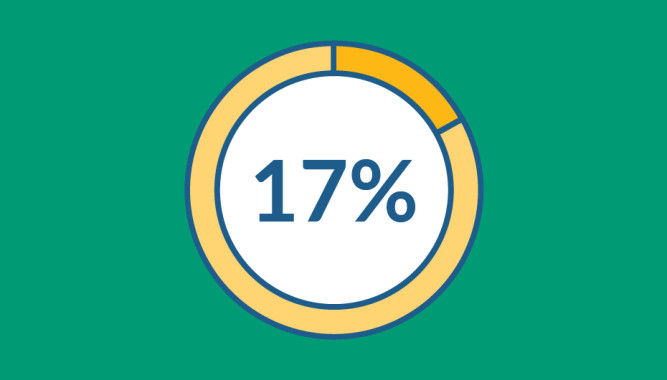
While they’re eager to hire the best and brightest, some employers are concerned that new college grads may not be ready for the workforce. Seventeen percent do not feel academic institutions are adequately preparing students for roles needed within their organizations, a decrease from 24 percent last year. When asked where academic institutions fall short, these employers cited the following concerns:
- Too much emphasis on book learning instead of real-world learning: 44 percent
- I need workers with a blend of technical skills and those skills gained from liberal arts: 38 percent
- Entry-level roles within my organization are more complex today: 23 percent
- Technology is changing too quickly for an academic environment to keep up: 17 percent
- Not enough focus on internships: 17 percent
- Not enough students are graduating with the degrees my company needs: 12 percent
When asked to name which skills they think recent college graduates lack for the workplace, most of these employers cited interpersonal or people skills (50 percent) or problem-solving skills (45 percent). Other skills these employers stated include:
- Teamwork: 39 percent
- Oral communication: 39 percent
- Leadership: 38 percent
- Written communication: 35 percent
- Creative thinking: 34 percent
- Project management: 26 percent
- Research and analysis: 17 percent
- Computer and technical: 17 percent
- Math: 14 percent
3 Ways to Get Your New Grad Up to Speed
For many college graduates, transitioning from graduation to their first real job is nerve-racking. Why? Because it may be uncharted territory. How do you take your new hire from the classroom to the boardroom? Try these three tactics:
Help build teamwork skills: Plan some office ice-breakers, team lunches, or happy hours to help workers get to know each other and build relationships. When people are more at ease, they’ll feel more comfortable exchanging ideas.
Teach employees how to work across generations: Create a reverse mentoring program at your company. This is a great way to show your younger hires that their opinions and experiences are valuable to their co-workers—and vice versa.
Create an open environment: Encourage your new hire to ask questions. Let him or her know that you’re available and there to help. Make that clear by setting up time to talk every day for the first few weeks.
Learn how to build a successful campus recruiting program.
Recommended Content:
-

Female workers nearly 3x more likely to think there is pay disparity at work
Explore the causes behind the scenes of female pay disparities in the workplace before exploring how organizations can take a proactive approach to equal pay.
Read Article
-

Streamline your recruitment process with a recruiting workflow
Learn about recruiting workflows, including the steps involved in developing them and best practices to manage and improve your recruiting process.
Read Article
-

Navigating the future: New trends in talent acquisition for 2025
Learn about some of the top trends that are shaping talent acquisition, along with tips and advice to help your company adopt these trends to stay competitive.
Read Article