
Women at work: challenges, progress and resources
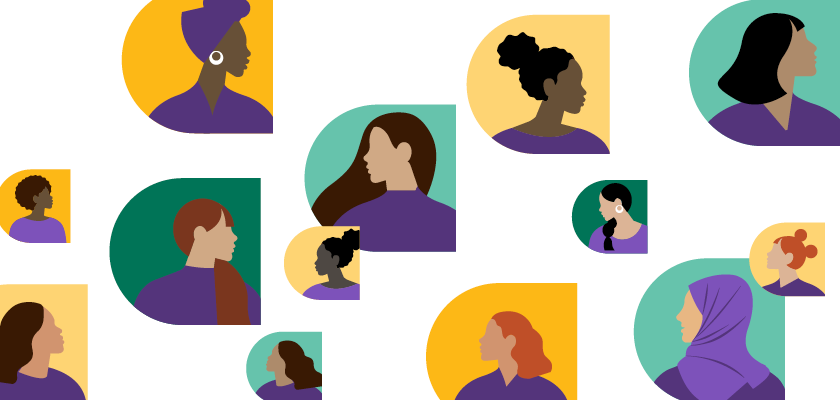
March is Women’s History Month and CareerBuilder is proud to celebrate the contributions of women in society and the progress in workplaces, while recognizing unique challenges still exist.
We’re here to shed light on employment for women, share tips for hiring and supporting women in the workplace, and suggest resources for learning more about women’s history and amazing stories to watch and read.
Employment overview for women at work
The unemployment rate for women across all races is 6%, but that number spikes dramatically for women of color, who are still facing unemployment rates closer to 9% (as of January 2021). Women were hit hard by the pandemic and its related economic impact, from mothers shouldering the majority of child and domestic care to women in the service and hospitality industries.
Women are gaining more traction in corporate leadership roles but still represent only about 10% of top CEOs, and the “broken rung” – the first step up to manager – is still an unfortunate trend, according to this McKinsey report. In the same study, researchers found women are experiencing only 1-3% gains each year into management positions, and the outlook is the toughest for women of color.
How to hire more women and support the women on your team
Offer better benefits. With 35% of job seekers stating they won’t accept a job offer without a work from home option, employers should prioritize and standardize the practice. What once felt like a big stretch and huge perk should now be part of a job offer, especially to recruit more diverse candidates. Make sure to proactively talk about parental leave, flexible hours and benefits that support family needs. This can be done in a screener call with HR, or, if your toddler runs through your video interview, use that as a great segue into the topic. Family-friendly policies can also include paid parental leave, financial or physical support with childcare, or services like home cleaning or meal prep boxes (duties that still fall disproportionately to women in households).
Enlist the men on your team. Improving life for women at work takes everyone. While women work hard to fight barriers, employers should encourage the men on their team and in the company to step up. It can start with small things, like using gender-neutral language when discussing childcare or domestic duties, or being mindful of how often women might be talked over or not participate at all. Offer training for your teams about how to understand bias, be aware of interpersonal challenges and learn women’s history (in and out of the workplace).
Create a culture of empathy, respect and flexibility. If a parent on your team needs an alternative schedule to accommodate childcare or caregiving, make it happen. Communicate to your team that you value them as people – not robotic workers – and personal lives should be supported.
Resources and powerful stories about women and women’s history
Educational resources:
Seven government entities created womenshistorymonth.gov to commemorate the vital role women have played in American history.
The National Women’s History Museum dives deep into studies and movements, while offering programs and events.
Stories by and about women around the world, from classics to modern hits:
What to watch
- PBS What to Watch: Women’s History Month
- 40 Essential Feminist Movies You Need to See
- Your Netflix Guide To The Best Women’s History Month Movies
- “9 to 5”
- “Roma”
- “Queen of Katwe”
- “Grace and Frankie”
- “Kim’s Convenience”
- “Self Made: Inspired by the life of Madam C.J. Walker”
- “Derry Girls”
- “Glow”
- “Homecoming: A Film by Beyonce”
- “Never Have I Ever”
- “Dumplin’”
- “I May Destroy You”
What to read
- Women Making Money History on The Skimm
- Penguin Random House Women’s History Month reading challenge
- “Year of Yes” by Shonda Rimes
- “Becoming” by Michelle Obama
- “In the Company of Women” by Grace Bonney
- “Pachinko” by Min Jin Lee
- “Wild” by Cheryl Strayed
- “Hurricane Season” by Fernanda Melchor
- “Mexican Gothic” by Silvia Moreno-Garcia
- “Caste: The Origins of Our Discontents” by Isabel Wilkerson
- “Persepolis” by Marjane Satrapi

Recommended Content:
-

Female workers nearly 3x more likely to think there is pay disparity at work
Explore the causes behind the scenes of female pay disparities in the workplace before exploring how organizations can take a proactive approach to equal pay.
Read Article
-

Do’s and don’ts for making the workplace fun
Forcing fun in the workplace can backfire, so use the do’s and don’ts in this guide to help you make the right move when you’re trying to encourage fun at work.
Read Article
-

Supply chain trends that can impact hiring
Discover top supply chain trends that can impact hiring, including some roles emerging in relation to these trends, to help your company remain competitive.
Read Article