
Top workforce management trends
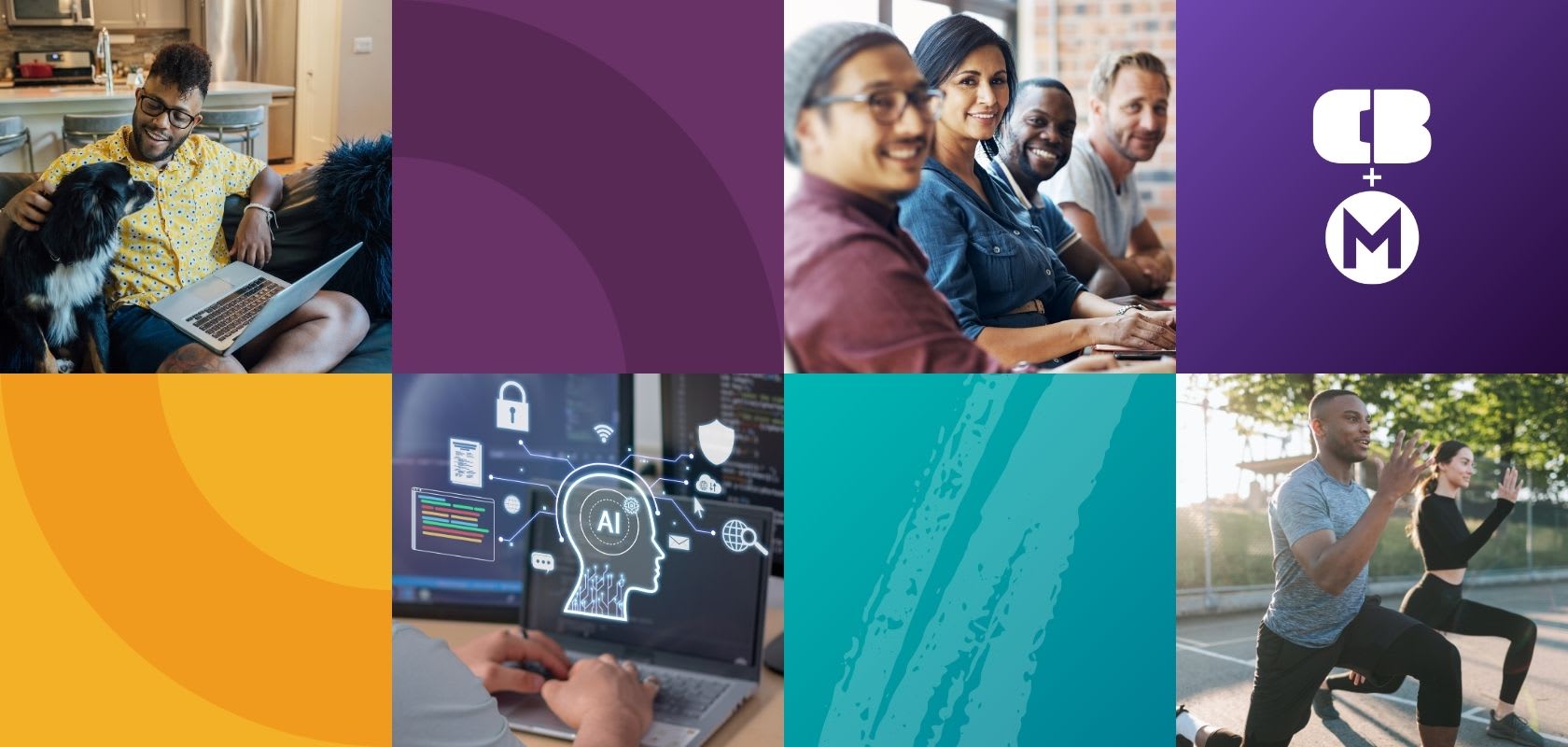
The landscape of the workplace is evolving rapidly, driven by technological advances, shifting employee expectations, and the growing need for businesses to stay competitive in a global economy. In this dynamic environment, staying updated on workforce management trends is crucial for organizations striving to optimize their operations and retain top talent. This article explores the latest trends in workforce management and their benefits and offers actionable tips for implementation.
Understanding workforce management trends
Workforce management trends refer to the changes and innovations in how organizations manage and optimize their workforce. These trends often arise from technological advancements, evolving business needs, and changing employee expectations. By staying informed of these trends, organizations can remain agile, improving employee satisfaction and operational efficiency.
Several factors are driving the workforce management trends observed today:
- Technological advancements: Automation, artificial intelligence, and data analytics are reshaping how businesses operate, allowing for more streamlined and efficient workforce management.
- Shifts in employee expectations: Employees are seeking more flexibility, professional development opportunities, and a better work-life balance, pushing organizations to adapt their management strategies.
- Evolving business needs and global competition: Companies face increased pressure to remain competitive, requiring them to continuously improve their workforce management processes to maintain operational agility and attract skilled talent.
Top workforce management trends
Here are some top workforce management trends seen recently.
Hybrid and remote work models
The preference for flexible work arrangements, such as hybrid and remote work, has significantly increased in recent years. This shift became especially pronounced during the pandemic, but its benefits have kept it firmly in place. Hybrid and remote work arrangements increase productivity, enhance employee satisfaction, and offer access to a global talent pool. Employees appreciate the flexibility and work-life balance these arrangements provide, while businesses can hire from a broader talent base without geographic restrictions.
Here are some tips to help implement this model in the workplace:
- Invest in collaboration tools, such as Slack and Zoom, to facilitate communication and project management.
- Develop clear remote work policies that define expectations and guidelines for performance, communication, and office attendance.
- Foster a culture of trust and open communication, ensuring employees feel supported and engaged regardless of their physical location.
AI and automation
AI and automation are transforming workforce management by streamlining processes such as scheduling, recruiting, and performance tracking. These tools allow organizations to enhance efficiency while reducing human error.
AI and automation can improve operational efficiency, reduce errors, and provide data-driven insights that guide decision-making. AI-driven tools can automate routine tasks, allowing employees to focus on more strategic activities. Some tips for better implementing AI and automation in the workplace include:
- Start with small pilot programs to assess the feasibility of integrating AI into existing systems.
- Provide training for employees on effectively using new AI tools to enhance their productivity.
- Ensure the ethical use of AI by promoting transparency and addressing concerns related to data privacy and fairness.
Focus on employee well-being
Employee well-being, particularly mental health, work-life balance, and wellness programs, is gaining increased attention. As workplace stress rises, organizations are placing a stronger emphasis on supporting employees’ overall well-being.
Promoting employee well-being can reduce burnout, increase engagement, and improve retention rates. Healthy employees are more productive and committed to their organizations, leading to long-term success. To foster a positive work-life balance, here are some things to consider:
- Offer flexible work schedules that accommodate employees’ personal lives.
- Provide access to mental health resources, such as counseling services and employee assistance programs.
- Conduct regular wellness surveys to understand employees’ needs and track the effectiveness of well-being initiatives.
Diversity, equity, and inclusion
DEI has become a central focus for many organizations, with businesses increasingly committed to creating inclusive workplaces that celebrate diversity and ensure equal opportunities for all employees. A strong DEI strategy can drive innovation, improve team dynamics, and make organizations more attractive to a wider range of candidates. Diverse teams bring varied perspectives, which can lead to more creative solutions and better decision-making.
Implementation tips include:
- Setting measurable DEI goals to track progress and demonstrate commitment.
- Providing unconscious bias training to help employees recognize and address biases.
- Celebrating cultural milestones and promoting a culture of inclusivity by encouraging open dialogue about diversity and equity.
“By adopting the latest trends, businesses can improve employee satisfaction, boost productivity, and remain competitive in an increasingly complex global environment.”
Upskilling and reskilling
As the skills required in the workplace continue to evolve, organizations are investing in upskilling and reskilling their employees. Upskilling focuses on enhancing the capabilities of current employees, while reskilling aims to train employees for new roles as organizational needs change.
Investing in employee development helps future-proof the workforce, improves morale, and boosts productivity. As industries undergo rapid transformation, these investments ensure that employees can keep pace with changing demands. Here are some ways to focus on helping teams become the best they can be:
- Develop personalized learning paths to address individual employee needs and career goals.
- Partner with online learning platforms to provide employees with easy access to training resources.
- Encourage cross-functional training to ensure employees have the skills to adapt to new roles and responsibilities.
Data-driven decision making
The use of data analytics to inform HR and workforce strategies is on the rise. HR teams increasingly rely on workforce data to guide decisions regarding recruitment, performance management, and resource allocation. Data-driven decision-making enables organizations to make more informed, objective decisions that improve recruitment, retention, and workforce optimization. By analyzing trends and patterns, businesses can make proactive adjustments to their workforce strategies.
Some tips for implementing data analytics into your company’s daily routine include:
- Identify key performance indicators that align with your organizational goals and track them consistently.
- Regularly review and update data collection methods to ensure that the information gathered is accurate and relevant.
- Foster a data-centric culture within HR teams by promoting analytics tools and encouraging evidence-based decision-making.
Why these trends are helpful
The workforce management trends discussed above not only shape the future of work but also deliver tangible benefits to organizations. By adopting these trends, businesses can:
- Improve overall workplace productivity: Flexible work models, automation, and data-driven decision-making contribute to more efficient operations, allowing employees to focus on value-added tasks.
- Align businesses with modern employee expectations: Trends such as remote work, DEI, and upskilling address the evolving needs and values of today’s workforce, helping organizations attract and retain top talent.
- Foster innovation and adaptability in dynamic markets: By embracing change and staying ahead of trends, organizations can better navigate competitive pressures and evolving business environments.
Tips for adopting workforce management trends
To successfully implement the workforce management trends outlined above, organizations should consider the following strategies:
- Assess organizational readiness: Conduct internal audits to identify your current workforce management needs and capabilities. This will help ensure that new initiatives align with your organizational structure and culture.
- Engage employees: Involve employees in the change process to ensure buy-in. Open communication and soliciting feedback will help identify potential challenges early on and foster a positive transition.
- Measure impact: Use metrics to evaluate the success of implemented trends. This can include tracking employee satisfaction, productivity, and retention rates to gauge whether new initiatives are achieving their intended goals.
- Stay flexible: Be open to evolving strategies based on feedback and new developments. The workplace landscape is constantly changing, and successful organizations remain agile and adaptable.
The rapid pace of change in today’s workplace requires organizations to stay informed and flexible regarding workforce management. By adopting the latest trends, businesses can improve employee satisfaction, boost productivity, and remain competitive in an increasingly complex global environment. To successfully implement these trends, organizations should assess their readiness, engage employees in the process, and measure the impact of their initiatives. Evaluate your current workforce management strategies, identify areas for improvement, and begin integrating relevant trends that can enhance your organization’s effectiveness and employee satisfaction.
More tips for staying on top of workforce management
Understanding how employees feel can help you identify where to implement management trends, and employee satisfaction surveys are just the tool to help you gauge this.
Your job descriptions are key tools to help job seekers understand how you implement some of these trends in the workplace, so learning how to craft them can attract the right candidate.


Recommended Content:
-

Female workers nearly 3x more likely to think there is pay disparity at work
Explore the causes behind the scenes of female pay disparities in the workplace before exploring how organizations can take a proactive approach to equal pay.
Read Article
-

Do’s and don’ts for making the workplace fun
Forcing fun in the workplace can backfire, so use the do’s and don’ts in this guide to help you make the right move when you’re trying to encourage fun at work.
Read Article
-

Supply chain trends that can impact hiring
Discover top supply chain trends that can impact hiring, including some roles emerging in relation to these trends, to help your company remain competitive.
Read Article