
Tips for leading Gen Z
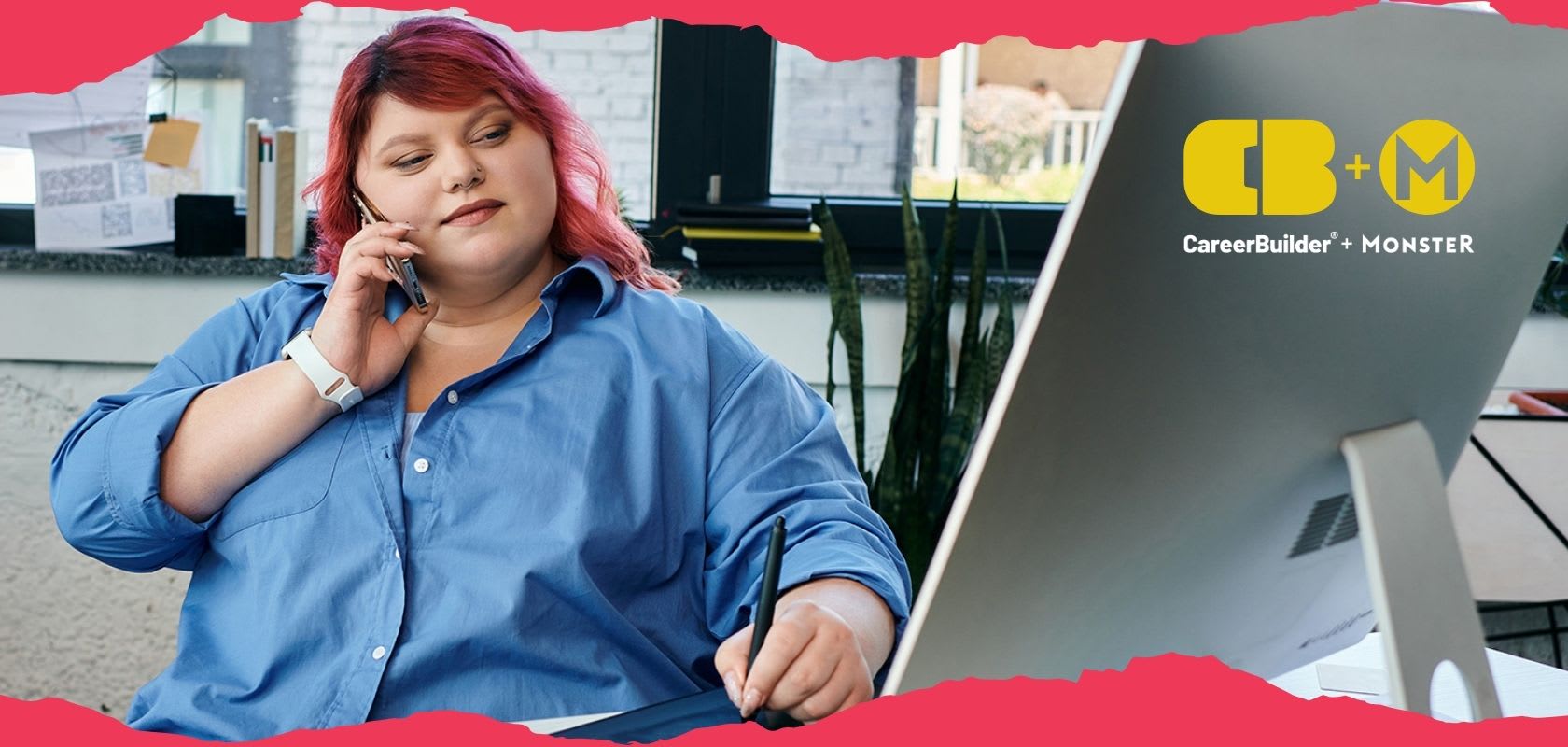
The workforce consists of people from all types of backgrounds, cultures, and generations. This creates a diverse space where people have a distinct outlook on work — including work-life balance, compensation, and expectations. This can make it challenging to motivate and connect with those from different generations. As Generation Z employees are starting to make up a larger part of the workforce, you may wonder how best to lead these individuals. CareerBuilder has some helpful tips when it comes to managing and mentoring Gen Z employees.
Who is Gen Z?
According to the Pew Research Center, Gen Z comprises those born between 1997 and 2012. As the oldest of this generation is around 27 years old, it’s safe to say that many of them are (and have been) in the workforce for quite some time. As these individuals become a larger part of the workforce, they bring a mentality shift that builds on the mindset of previous generations. Forbes states that Gen Z prioritizes:
- Meaningful work
- Financial security and stability
- Work-life fulfillment
- Health and well-being (physical, emotional, spiritual, and mental)
- Personal growth
How managers and leaders can lead Gen Z employees
While many of Gen Z’s ideals are seen in other generations, you may still struggle to find ways to lead a Gen Z team. Here are some ways that you can better lead your Gen Z employees to boost satisfaction, performance, and many other metrics.
Learn about the individual
Everyone wants to be understood, and Gen Z is no different. Rather than lumping all of Gen Z under a singular stereotype, take the time to learn about each of them as their individual selves. This can help you discover the unique motivations behind what they do. Not only can this help foster authentic connections between you and your employees, but it can also help you better support your team. It’s easier to manage and motivate a team when you understand what inspires them to do their best.
Understand their needs
One place where Gen Z often differs from past generations is their outspokenness regarding things such as mental health support, flexibility, and paid time off. A major factor in their lives is work-life balance and fulfillment. They prioritize these aspects when it comes to employment. If your company doesn’t support these factors, it might experience higher turnover from this generation of workers. Having an open dialogue about these items and asking for honest feedback from these individuals can ensure that your company reaches optimal balancing points.
Provide personalized support
Gen Z appreciates being treated and recognized as an individual versus a cog in the machine. Providing personalized support to your team can drastically improve Gen Z employees’ feelings of recognition and support, which can have a trickle-down effect on productivity and work quality.
“As Gen Z becomes a larger part of the workforce, managers who understand this generation’s motivations and values can help their teams bloom and thrive in the workplace.”
Strategies for leading Gen Z effectively
Now that you understand more about how to lead these individuals, you might be wondering how to translate that into specific actions. Here are some strategies to consider incorporating into your leadership style.
Promote work-life balance
As Gen Z (among other generations) prioritizes work-life balance, finding ways to promote this can make a big difference in attracting, hiring, and retaining talent. This can be as simple as encouraging your team to take breaks during the day. Having a break room or area where employees can go to take a breather can help them stay productive and engaged during the day and prevent burnout. Focusing on productivity versus the hours an individual puts in can also show how much your company values the work an individual does over the hours logged in to the computer.
Some other ways to promote this balance include:
- Include volunteer time off as a part of the benefits package. This not only lets your team give back to the community but also improves employee satisfaction.
- Offer unique perks. This can include perks both for work hours and home life such as gym membership discounts, in-office massages or wellness sessions, company cars, or offering certified financial counseling sessions.
- Encourage members to take time off. Some employees zone in on logging hours and sometimes forget to take time off work to rest and recharge. Encouraging your team to take PTO or even letting them recoup an hour or two of their time at the end of the week by releasing them a few hours early can help your team balance their work and home lives.
- Reassess paid time off. Companies often offer around eight to 15 paid days off per year. Find out if your company can offer a few extra days off per year or if there are any additional paid holidays to offer, as this can greatly improve employee satisfaction and morale.
Lead by example
Gone are the days of authoritative leadership being effective with newer generations. It is still present, but leaders who lead by example — also referred to as servant leadership — might see better results from their team versus those who only tell their team what to do. This doesn’t mean ignoring leadership responsibilities but simply finding ways to join your team as they perform their daily tasks. This can promote company loyalty, improve employee trust and satisfaction, and build stronger cross-functional relationships.
Offer professional growth opportunities
Helping your team thrive now and in the future comes down to how you support them in the present. Professional growth opportunities do just that by helping build a foundation that your Gen Z employees can count on. These opportunities can help them further skills that can be useful to your company in the future, enabling the organization to benefit from their work for years to come.
Be flexible
Another strategy to keep in mind is being flexible. This can present itself in many ways, one of which is offering variable work hours to employees. This allows them to fit their work in with their busy schedules, enabling them to balance their work and outside responsibilities better. Another option is to offer remote or hybrid work schedules, which can drastically boost work-life balance. This can also open up your talent pool, as many Gen Z workers look for this arrangement from potential employers.
Establish regular check-ins
Most people want feedback and direction, and Gen Z is no exception. Scheduling regular check-ins with your Gen Z employees can provide managers the opportunity to share honest feedback about performance, discuss growth opportunities, and receive feedback in turn. This can also ensure that team members stay on track and meet established expectations.
Tips for improving your leadership of Gen Z
With so many methods and strategies to incorporate, you might want some simple tips to help improve your leadership skills. Here are a few to consider:
- Be willing to adjust your leadership and management styles to better align with your team.
- Find ways to keep your team focused and engaged.
- Allow your team some autonomy and independence in the workspace.
- Embrace technology in daily work routines.
- Mentor and support the professional growth of your team members.
The workforce is made up of a wide variety of individuals, each with their own unique views, skills, backgrounds, and opinions. As Gen Z becomes a larger part of the workforce, managers who understand this generation’s motivations and values can help their teams bloom and thrive in the workplace. Considering other types of work schedules, remaining flexible, and promoting work-life balance are just some of the ways to better lead this new generation in the workplace.
More tips for hiring and leading Gen Z employees
Understanding what each generation wants in the workplace can help you develop policies and strategies to manage them.
Getting Gen Z in the door when it comes to hiring can also be a challenge, which is why many look at campus recruitment strategies to land their next candidate.


Recommended Content:
-

Female workers nearly 3x more likely to think there is pay disparity at work
Explore the causes behind the scenes of female pay disparities in the workplace before exploring how organizations can take a proactive approach to equal pay.
Read Article
-

Do’s and don’ts for making the workplace fun
Forcing fun in the workplace can backfire, so use the do’s and don’ts in this guide to help you make the right move when you’re trying to encourage fun at work.
Read Article
-

Supply chain trends that can impact hiring
Discover top supply chain trends that can impact hiring, including some roles emerging in relation to these trends, to help your company remain competitive.
Read Article