
10 resume skills guaranteed to get you noticed
Your resume is your chance to show an employer that you’re the best candidate for the job. And you only have a short time to do it. In fact, one study using eye-tracking software found that recruiters spend an average of just seven seconds looking at a resume. That means you need to stand out fast if you’re going to secure an interview.
So, what are the best resume skills recruiters and employers are looking for? Below we describe the 10 stand-out skills for resumes that are guaranteed to get you noticed and help separate yourself from the pack.
Resume soft skills to get you noticed
A soft skill is a personal skill that is less tangible than a hard one. These abilities define you more as a person and help bridge the gap between your personality and hard skills.
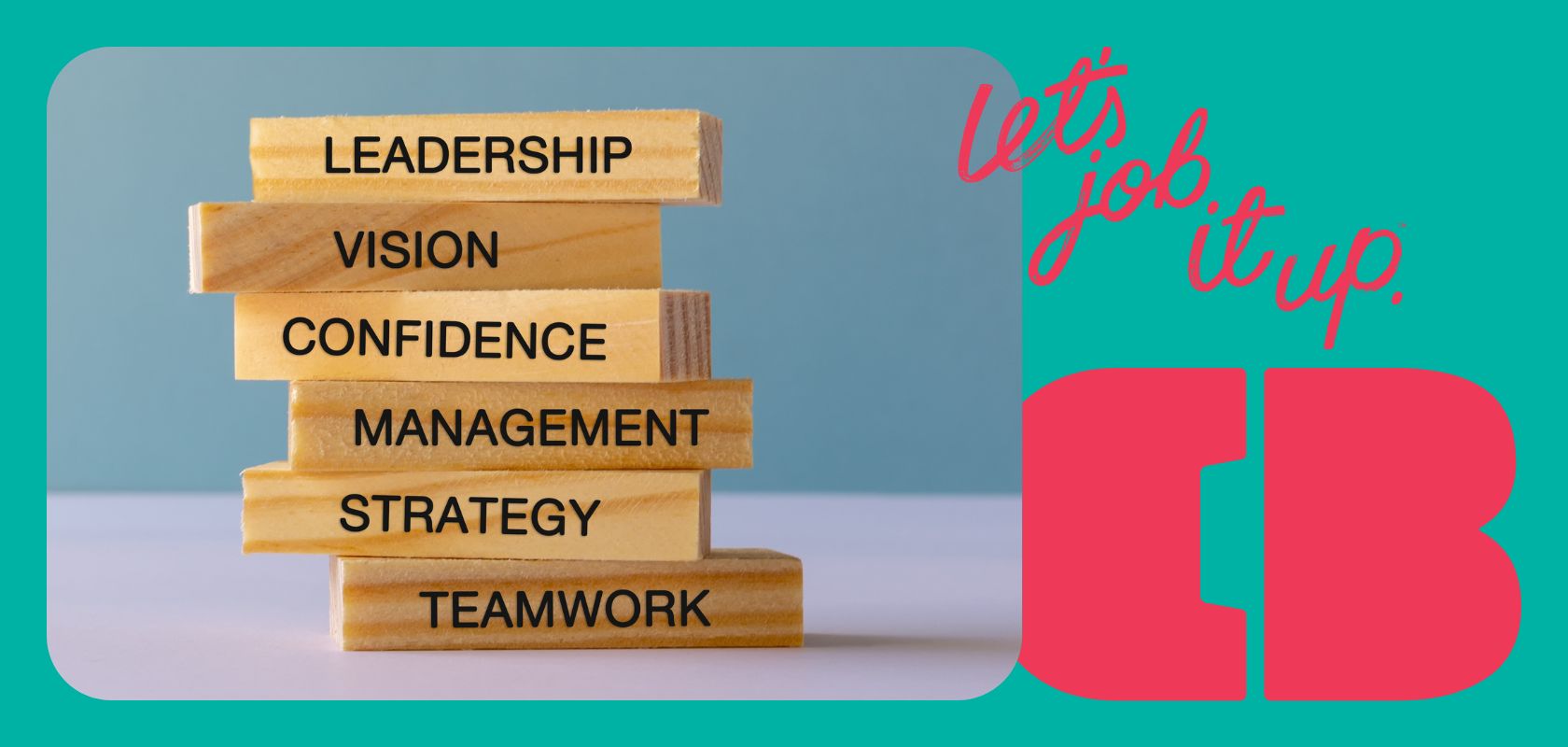
- Leadership. You may not be applying for a management position right now, but many employers like to promote within. And that means bringing on new hires with some leadership experience who are ready to assume such a role in the future. Employers often think one or two steps ahead in their hiring decisions, and your resume skills should reflect that.
- People skills. The importance of strong people skills to an employer can’t be stressed enough. You don’t have to work in a customer service role to interface with team members, pitch or present a proposal, and collaborate on ideas. While you may think the importance of people skills is waning in this modern age of remote work, it can be argued the opposite is true when you’re spending all day on often awkward Zoom calls.
- Problem solving. Much of a business day involves untangling knots and finding answers to new problems. Employers value a worker who can take the initiative with a challenge and find a solution without always having to lean on a superior.
- Teamwork. A big consideration in a hiring decision is not just how well you’ll fit into the role but how well you’ll fit in with the other people doing the work. Most jobs require employees to work in tandem with others in some capacity, and emphasizing your ability to be a team player will help you fit in.
- Time management. Today’s employees have more freedom and independence than ever before. And employers value the worker who can be trusted to juggle multiple balls and deliver each by the deadline. Time management skills are particularly important with work-from-home or hybrid positions that have accelerated in recent years.
“Employers typically consider a mix of soft and hard skills on a resume, so it’s important to showcase both.”
Resume hard skills that stand out
Hard skills are more measured than soft ones and define your proficiency in key areas. Employers typically consider a mix of soft and hard skills on a resume, so it’s important to showcase both.
- Technical skills. We live and work in a tech-filled world, and each new job comes with its specific software and other systems employees use daily. Employers don’t want to invest a lot of time showing new workers the ropes, so demonstrating that you can pick up new technology quickly and independently will help you stand out among the candidates.
- Industry-specific certifications. Any postsecondary degrees and schools attended should be highlighted, but what many employers like to see are industry-specific certifications and training. The workplace is fast becoming highly specialized and requiring very specific skill sets, so any courses, licenses, or qualifications relating to the job at hand can help you get noticed.
- Project management. Project management skills are highly sought after as all employees are expected to take the lead on a project at some point. The ability to run a team and be a liaison across departments and stakeholders is a skill that can be utilized in various positions.
- Marketing. Savvy marketing skills are useful for more than just marketers. Pitching an idea, selling a proposal, and creating traction for an initiative all require at least some marketing aptitude, whether you realize it or not. Nearly every company engages in at least some form of marketing, so the more employees with relevant experience, the better.
- Writing. Writing is a highly transferrable skill that can be a foundation for many careers. Well-written memos and emails to internal stakeholders and outside clients are critical to relaying concise and accurate information. Strong writing abilities are becoming even more coveted as the modern workplace transitions from fewer in-person communications and more information sharing through digital platforms.
How to list skills on a resume
Be it a soft or a hard skill, try to quantify it on your resume. Demonstrate tangible results, such as budgets, conversion rates, and anything else that can illustrate the business impact of the respective ability. And once your resume competencies list is up to par, upload a resume online to get your skills in front of the right set of eyes.
More tips for your resume skills list
- IT professional? Here’s how to write the ideal resume for your field.
- Leadership skills can be tricky to put on a resume. Not with our easy tips.
- Supplement your resume by writing a polished cover letter.
- Is your resume too good? Learn what to do when told you’re overqualified.
- Are you a veteran? Use your skills to complete your job-seeking mission.

Recommended Content:
-
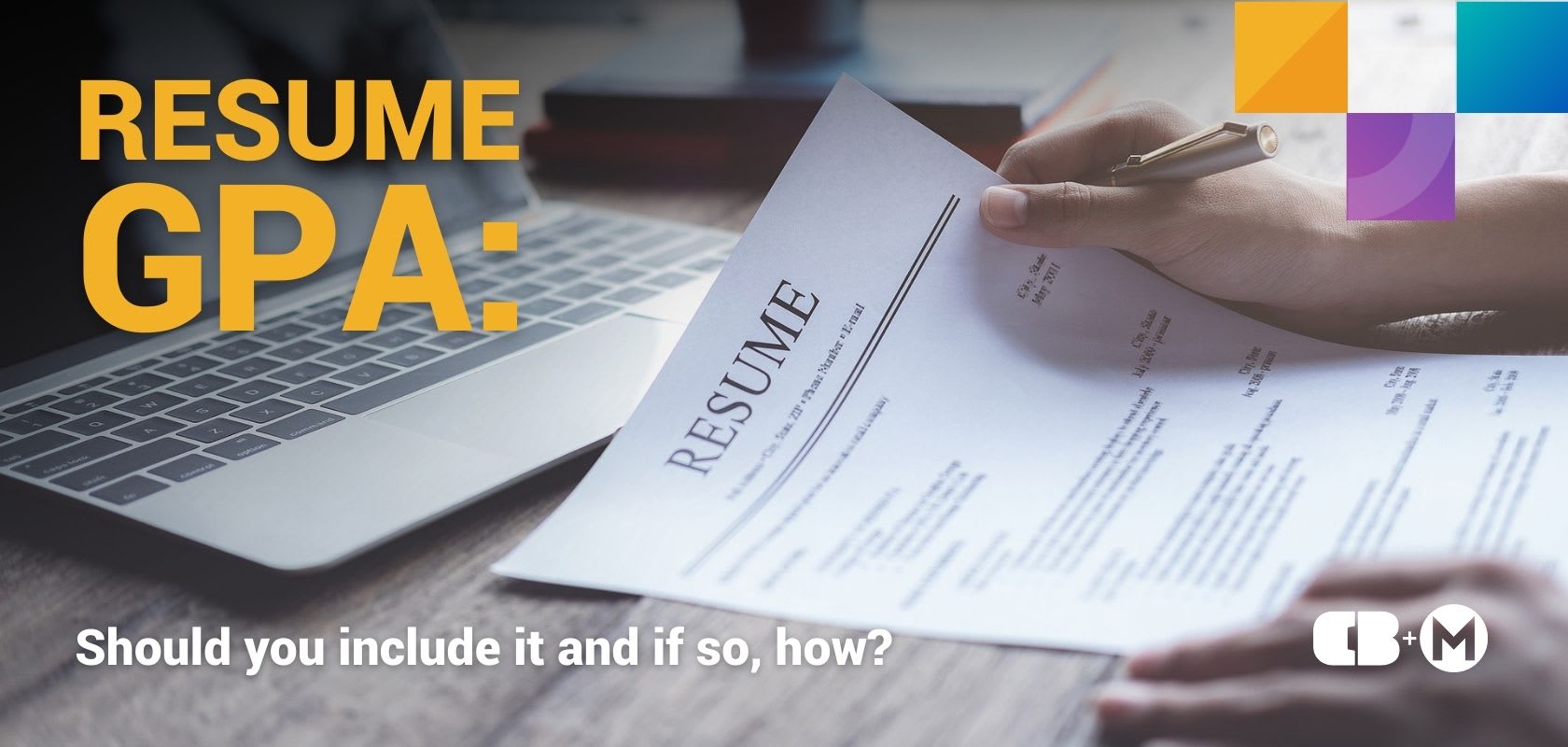
GPA on your resume: Should you include it, and how?
Learn when to include your GPA on your resume and see best practices for presenting it to increase your chances of securing your dream role.
Read Article
-

36 common IT interview questions and answers
Explore 36 common IT interview questions, review example answers, and gain insights into what hiring managers are looking for in an ideal tech candidate.
Read Article
-

12 essential skills for construction workers
Discover 12 essential skills that can help you find a job as a construction worker, perform your tasks well, and advance in your construction-related career.
Read Article