
8 software development methodologies for your career
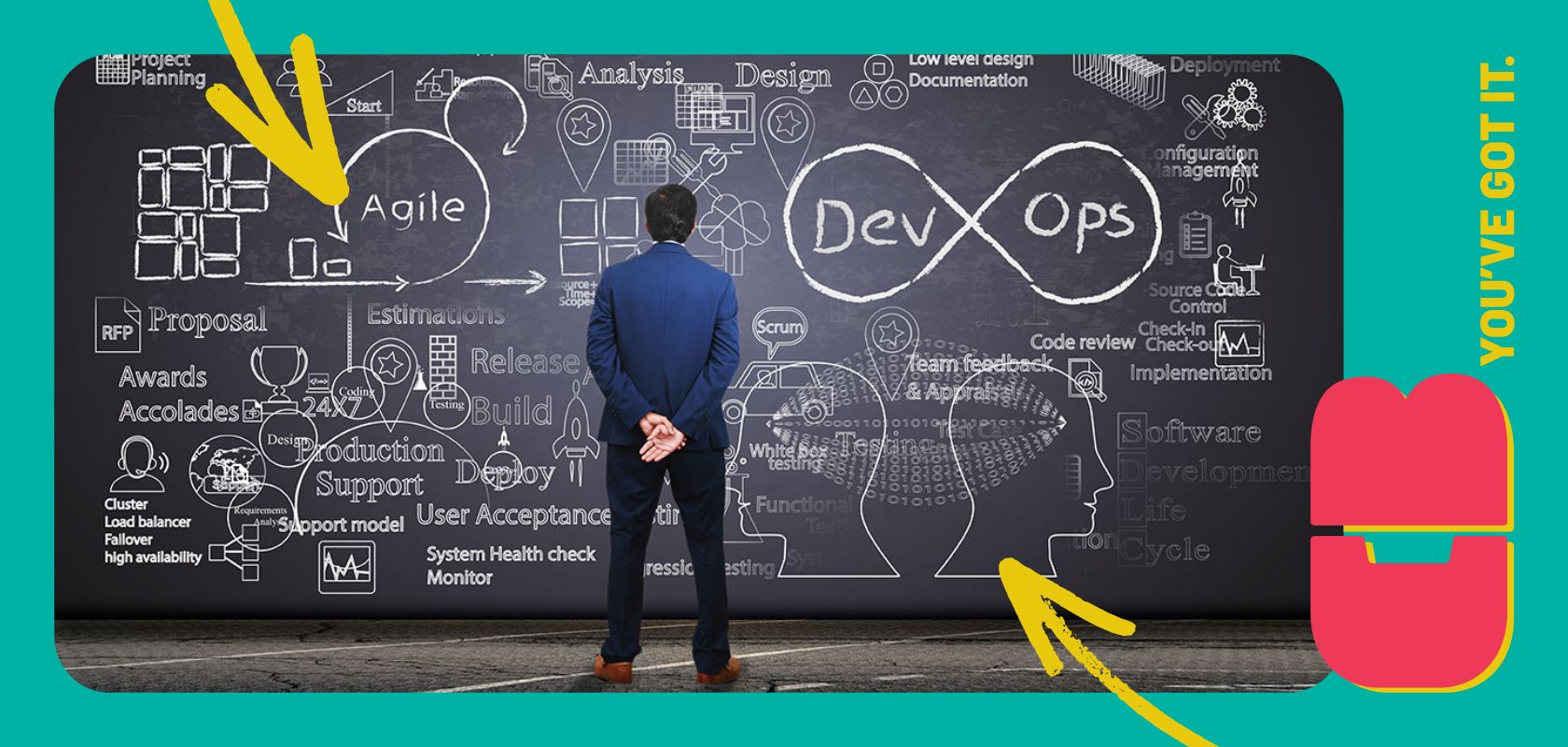
When you’re starting a new software development project, it’s important to review the approaches you can take. These methodologies or ways in which you approach the task can provide different strengths and weaknesses to a project, change how quickly a project develops and the depth the project has, and prepare you for different challenges you may experience during the project. Understanding these eight methodologies, including their benefits and detriments, can help you decide which methodology, or which combination of methodologies is best for your project. Consider the following eight software development methodologies for your next project.
What are software development methodologies?
Software development methodologies are practices and procedures you can follow to initiate and complete a software project. Methodologies are a combination of basic practices, design philosophies, and realities of working on software that helps shape how you approach projects, the tasks within projects, and any challenges you may experience. There are eight different software development methodologies you can use, and they each have their own strengths and weaknesses when approaching a project. Sometimes combining two or more of the methodologies may be ideal for your project since they can cover each other’s weaknesses and improve one another’s strengths.
“Using customer testing, evaluation, and feedback, you create goals to improve the functionality of the program.”
8 software development methodologies
Below are descriptions of the eight software development methodologies and how you can use them:
1. Agile
The most common software development methodology is the Agile approach. In this procedure, you focus on the needs of users and the areas of user experience and user interfaces to ensure that your product is easy to use and learn. Agile doesn’t focus on rigid structures and instead allows you to be more flexible with your projects, addressing users immediately and responding to their requests. Typically, Agile processes take between one to four weeks to complete, with each of these phases, or sprints, focusing on a specific task or goal.
After each sprint, the developer waits for feedback from their community of users to plan the next sprint and its primary focus. The primary benefit of the Agile methodology is the highly iterative testing that software has, making it effective for users and limiting the number of defects in the final product.
2. Dynamic systems
Dynamic systems is a methodology that allows you to focus on aligning the goals of your project and the needs of the business. In this methodology, you follow four iterative phases to design, build, and implement your design. These phases are:
- Feasibility and business study: In this phase, you focus on learning about the needs of the business and preparing project goals that align with those needs.
- Functional model: In the second phase, you create a small-scale model that has the primary features and elements that the business requires and test those features within a limited scope.
- Design and build: The third phase of this methodology is when you make final decisions about the design and build of the entire software program, including its features, user interface, and reliability.
- Implementation: In the last phase of the methodology, you implement your software across the entire business, allowing users to access all of its features and abilities.
3. Feature-driven
In the feature-driven design methodology, or FDD, you focus on a list of development activities based on the overall model’s features. The goal of FDD is to create quick, actionable results for each of the items on the list. For each item on the list, you go through three iterative phases:
- Planning: This is when you plan the features and elements of part of the software program.
- Designing: Here, you finalize decisions and ensure the feature works with others within the same program.
- Building: This is where you create and test each feature to ensure it operates correctly and finalize any user interfaces and experiences with the program.
4. Lean
The lean software development methodology is a combination of the lean manufacturing process. In both, your goal is to reduce the amount of waste and increase productivity. For software development, this means eliminating tasks that don’t create productive teams and allowing teams to focus on tasks that contribute to the overall project. This methodology also increases the amount of decision-making a team member can do during the project, improving the overall quality of the finished product.
5. Prototype
In this methodology, you create a prototype of your final software goal and release it to customers. Then, using customer testing, evaluation, and feedback, you create goals to improve the functionality of the program. This methodology also uses iterations, meaning you may release several prototypes and wait for customers to test, evaluate, and provide feedback about the product. The goal of this methodology is to create strong communication between developers and customers and allow the software to have extensive testing before it’s released as a final product.
6. Rapid application
Rapid application development (RAD) is the first iterative method of creating a product using customer feedback. The goal of this method is to limit the amount of time software spends in development and increase the amount of testing it receives. This methodology has four stages:
- Defending project requirements: This is the stage where the project’s goals and requirements are codified, and any extra features are stripped away if they don’t provide substantial value to the customer or the project.
- Prototyping: Here, you can test several iterations of the software by releasing it to a small number of customers and allowing them to provide feedback.
- Testing: In the testing phase, developers use the program to the point of failure to understand how it may fail and address the challenges that customers provided in their feedback.
- Implementation: This is the final stage of RAD and is where you release the software for use by your intended customers, which may include those who tested the prototypes.
7. Scrum
Scrum uses some of the Agile methodology’s features but improves upon that methodology’s flexibility. In Scrum, there are three key parties that allow the methodology to function:
- Product owner: This person works directly with the client to ensure that the development team meets all requirements.
- Scrum master: This member of the project ensures that the team understands Scrum procedures and facilitates the rapid development of the project through goals.
- Development team: This group of people tracks the changes and developments in the program and ensures that it has the features a client wants and that the program is user-friendly.
8. Waterfall
The waterfall methodology is a straightforward process with clear goals and steps you can follow to create software. Each stage “cascades” to the next below it, ensuring that a final, high-quality product is ready by the end of the process. The five common stages of the waterfall methodology are:
- Requirements: This is when you establish the goals of the project and measurements for success.
- Design: Here, you create and build a software program to meet the needs of a business or client.
- Implementation: At this stage, you start to integrate the software into the client’s processes.
- Verification or testing: During the testing phase, you monitor the program to ensure it doesn’t have any defects.
- Deployment and maintenance: Finally, you release the program to your client and check it periodically to ensure it’s still functioning correctly.
Now that you’ve learned about eight methodologies for software development, you’re ready to upload a resume to CareerBuilder.com.
More tips for job seekers
Learn about why you should make a software developer career your next move.
Explore ethical hacking: what it is and why it’s important.
Read about artificial intelligence jobs: what they are and how to find one.


Recommended Content:
-

GPA on your resume: Should you include it, and how?
Learn when to include your GPA on your resume and see best practices for presenting it to increase your chances of securing your dream role.
Read Article
-

How to find a mentorship
Learn how to find a mentorship that can guide your career, why business mentors are essential to career success, and what to look for in your mentor.
Read Article
-

Is marketing a good career for you?
Learn whether a marketing career is a good choice for you with this guide that explains types of marketing careers and the skills you need for this role.
Read Article