
Work directly with patients as a dental assistant
The Dental Assistant works in multiple areas of the office assisting the dentist and ensuring all procedures run smoothly. This requires a large degree of interpersonal skills to guide patients through their appointments and assure them that they’re in good hands. In many cases, the dental assistant serves as another set of hands to the dentist, making sure the mouth is clear and all of the needed tools are available. Without dental assistants, patients wouldn’t be as comfortable or informed as they could be, and dentists would have a much harder time doing their job. Keep reading to learn more about the dental assistant job description to see if it’s right for you.
What can you expect from a dental assistant job?
Responsibilities
While the role of the dental assistant changes by state because of different regulations, the basic principles of the job are there. You will work with several patients every day to make sure they’re comfortable and ready to meet with the dentist. When you’re not working with the dentist on a patient, you can expect to handle administrative work like appointment scheduling and supply ordering. Additional answers to the question “what does a dental assistant do,” include:
- Learning about the patient’s medical history, problems, and current health
- Recording patient vitals like resting pulse rate and blood pressure
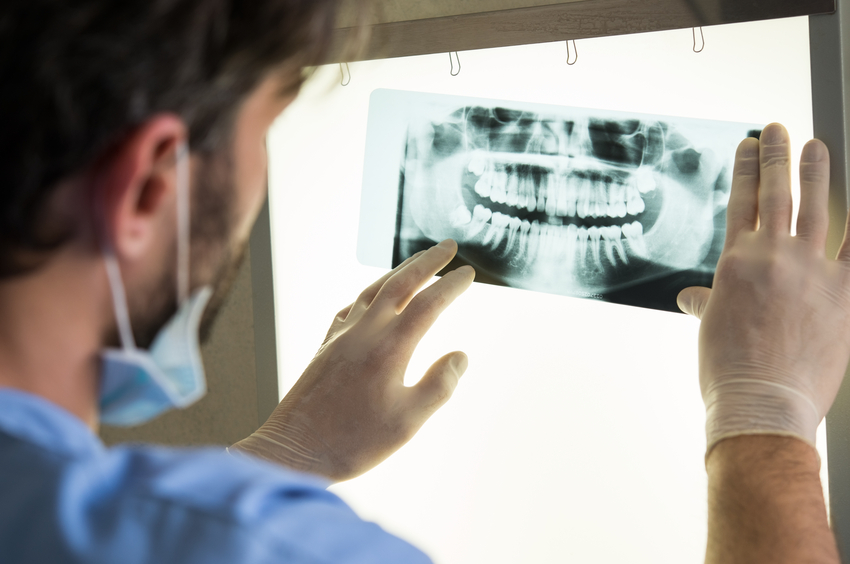
- Taking X-rays and developing the results
- Preparing and sterilizing the equipment required for each procedure
- Making patients feel comfortable before and during the procedure
- Setting up appointments and follow-up checks
- Instructing the patient on post-op care and treatment
- Taking impressions or molds of teeth
- Assisting the dentist throughout procedures to keep the mouth clear
- Handing the dentist different tools and using equipment to keep the patient comfortable
- Teaching hygiene best practices to children and adults
- Working with a variety of patients from different income levels, age, and hygienic history
Work environment
Most dental assistants work in the office with their dentist. These offices tend to have a staff of 5 to 20, depending on the number of patients and dentists in the practice. If the office only has one dentist, then there may only be a few assistants to help him or her. However, if the practice has multiple dentists working at once, there will be more dental assistants helping patients and keeping the flow going. If you’re hired by one of these practices, you will either work exclusively with one dentist or change up who you work with depending on the patient, procedure, or even day of the week.
Dentists work to create a welcoming environment for their patients, and you will often work in an office with multiple windows and bright colors that warm the space. Some offices have water fountains trickling in the background and play movies throughout the day for kids. This is all meant to make the patient experience better, but also creates a welcoming work environment for the staff.
As the dental assistant, you will have to sit for long hours in the dentist’s office on a chair or stool next to the patient. As long as the procedure is happening on a patient, the dental assistant should be there to make sure they’re comfortable. When they’re not with a patient, the dental assistant might sit at a desk scheduling appointments or walk around checking supplies and updating files. This position requires a mixture of movement and sitting, and the dental assistant should be able to balance the two to perform the job well.
Schedule
The typical schedule of a dental assistant is Monday through Friday from 8 a.m. until 5 p.m.; however, these hours can vary by practice. Some offices don’t open until 10 a.m., which means dental assistants don’t need to arrive until 9:30 a.m. Others have half days on Fridays, which means the dental assistant could leave shortly after noon. Depending on the practice, the dental assistant might be hired for part-time work, which increases the schedule flexibility of the job.
Some practices may require dental assistants to come in early on some days for team meetings or work late depending on the company policy. More dentist offices are offering late night hours and weekend hours to patients who can’t come in during the day, and this means dental assistants are needed for all shifts. You may be asked to work on a Saturday or stay late at least one night per week.
What qualifications are required to be a dental assistant?
Education
Dental assistants can receive their education through community colleges and vocational schools that will train them on skills like patient care, dental tools, and various procedures. The average time to complete dental training is 9 to 12 months, but some schools offer work-study programs where students gain experience and start earning money before they graduation.
Graduates typically receive certificates after completing their programs, but many opt to sit for the Dental Assisting National Board’s (DANB) Certified Dental Assistant (CDA) examination. This exam tests your knowledge of dental assisting and proves to your future employers that you’re qualified and committed to excellence in dental care.
Experience
Due to the nature of the training, many people apply to become dental assistants as the starting point in their careers. The largest demographic of dental assistants have only one to four years of experience, at 38 percent. In fact, 66 percent of dental assistants have less than 10 years in the field.
While dental assisting might be a starting point for many careers, most people in the field are extremely satisfied in their careers. The 33 percent of people with more than 10 years of dental assisting experience have stayed because they love what they do and plan to keep helping patients throughout their careers.
All of this is good news for future dental assistants: it’s easy to enter the field after your training, and when you do, you will enjoy it.
Skills
The answer to the question “what is a dental assistant” is often found in their skill set. Below are a few skills required to successfully complete tasks in this field.
- Visual Knowledge – The ability to distinguish normal from abnormal spots in the mouth and effects on procedures.
- Sterilization Knowledge – Dental assistants need to reduce the risk of infection by sterilizing all tools used on the patient.
- X-Rays – The dental assistant needs to know how to take and process X-rays while keeping the patient calm and comfortable.
- Dental Impressions – The dental assistant should be able to take impressions for braces or case studies.
- Hand-eye coordination – Without bumping the dentist, the assistant should be able to pick up and hand over tools throughout the procedure.
- Communication – Speaking clearly to the dentist and the patient is crucial for both parties to understand the risks of the procedures and the specific needs of the patient.
- Listening – Dental assistants should be able to listen to their patients’ problems or feedback from the dentist and understand what should be done.
- Interpersonal skills – Smart dental assistants will be able to comfort patients and make them feel less nervous in the dentist’s chair with strong relationship-building skills.
- Organization – Dental assistants need to be organized and should be able to handle administrative tasks like setting up appointments and printing reminder notices.
- Office programs – A basic understanding of Microsoft Office and specific software for scheduling and processing medical records is a must for dental assistants.
Salary expectations
Entry-level dental assistants typically earn $30,000 per year. As they gain experience, some dental assistants can earn up to $38,000 per year. The highest pay level for dental assistants is $45,000, but they often work in big cities with a high cost of living like New York City or Los Angeles. Answering “how much do dental assistants make” depends on the city, the practice, and the experience of the candidate. A small family practice might be a welcoming place to work, but they might not be able to pay as much as larger dental offices.
Job outlook for dental assistants
Projected growth
The United States Bureau of Labor Statistics projects a growth rate of 18 percent for dental assistants between 2014 and 2024. This growth is much faster than average and should lead to an additional 58,600 jobs in the next decade. This brings the total number of dental assistants in the field to 318,800 by 2024.
Career trajectory
Dental assistants who are good at their jobs might consider returning to school to advance their careers. They can either become a certified dental assistant (CDA) or a registered dental assistant, which requires additional classes and examinations. Many candidates go on to become X-ray certified dental assistants so they can successfully work the X-ray machines that are used on patients’ mouths. They can also become dental hygienists that clean and identify problems before the dentist meets with the patient.
Eventually, dental assistants can become dental office managers who are responsible for all patient scheduling, office hours, supplies, and hiring. They manage all of the dental assistants and hygienists and work to maintain a smooth office environment.
Many dental assistants enjoy working with patients and learning from the dentists they work with. If you think you would enjoy this type of work, consider signing up for a dental assistant training program or look at some of the dental assistant job listings near you.


Recommended Content:
-

GPA on your resume: Should you include it, and how?
Learn when to include your GPA on your resume and see best practices for presenting it to increase your chances of securing your dream role.
Read Article
-

How to find a mentorship
Learn how to find a mentorship that can guide your career, why business mentors are essential to career success, and what to look for in your mentor.
Read Article
-

Is marketing a good career for you?
Learn whether a marketing career is a good choice for you with this guide that explains types of marketing careers and the skills you need for this role.
Read Article