
When do W-2s come out? (And why you need to know)
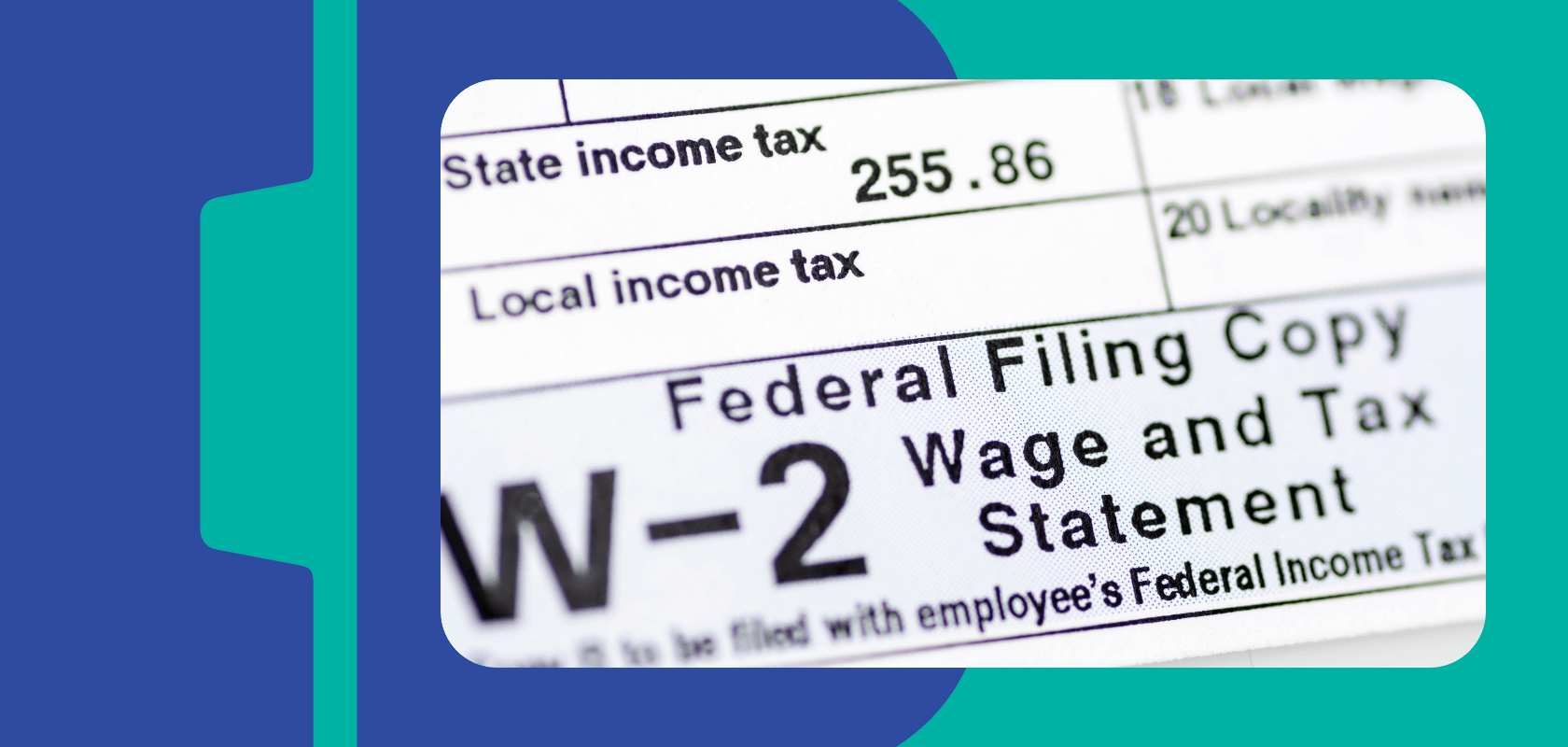
Tax season refers to the period when taxpayers should start preparing their financial documents from the previous year so they can file their tax returns. The season generally begins on Jan. 1 of every year and extends to mid-April, when the returns are due. As an employee, you'll probably spend part of this time collecting your financial information, including employer-issued documents containing wage and tax information. You can either file your return yourself or hire a professional tax preparer to do the work for you.
One of the most important pieces of information that employees receive during tax season is Form W-2. If you've ever done your taxes, you've probably referred to this form to report your income for the tax year, while new members of the workforce may have no experience with it. In either case, understanding exactly what it is and why it's important can help you meet the tax deadline.
What are W-2s?
Form W-2, also known as a Wage and Tax Statement, is an official Internal Revenue Service tax statement that reports the wages paid to an employee as well as the deductions withheld from them.
Employers are responsible for issuing W-2s. For every eligible employee, they must create six copies. Three of those copies go to you, the employee; one copy goes to the Social Security Administration, which then transmits the information to the IRS; and another copy goes to the state, city, or local tax department.
You can expect to receive a W-2 from every employer that paid you at least $600 in a given tax year, no matter the length of your employment. The W-2 arrives in the year following the applicable tax year. For example, if you worked for a company in 2023, you'd receive your W-2 in early 2024.
Employees shouldn't be confused with independent contractors, who instead receive a Form 1099-MISC from each of their clients who paid at least $600 for the year.
How to read a Form W-2
When you receive your W-2, you'll notice it has numerous lettered and numbered boxes. Here's a breakdown of what each box represents:
- Box A to Box F: The lettered boxes display identifying information. A, E, and F pertain to you, while B, C, and D relate to your employer.
- Box 1: This shows the total taxable income the employer paid you during the tax year, including wages, salary, tips, bonuses, and other forms of compensation; it doesn't include pre-tax benefits, such as your health insurance deductions or 401(k) contributions. If you receive multiple W-2s, add all your Box 1s together and report the sum on your tax return.
- Box 2: This is the total amount that the employer withheld from your paychecks for federal income taxes.
- Boxes 3 and 5: These are the portion of your wages subject to Social Security tax and Medicare tax, respectively.
- Boxes 4 and 6: These are the amounts withheld from your paycheck for Social Security tax and Medicare tax, respectively.
- Boxes 7 and 8: If you earned any tips, Box 7 reflects the amount that you reported to your employer, and Box 8 shows how much in tips your employer allocated to you.
- Box 9: This box is grayed out because it relates to a benefit that no longer exists.
- Box 10: If applicable, this box reports the amount your employer paid for dependent care benefits or the dollar amount of any such services they provided to you.
- Box 11: If you received any distributions from your employer's non-qualified deferred compensation plan, that amount will show here. The figure in Box 1 already accounts for these distributions.
- Box 12: This box reports other forms of compensation and benefits, such as uncollected Social Security tax, uncollected Medicare tax on tips, and nontaxable sick pay, which are expressed as codes.
- Box 13: This box displays three checkboxes that indicate whether you worked as a statutory employee who's not subject to federal income tax withholding, participated in an employer-sponsored retirement plan such as a 401(k), or received sick pay under your employer's third-party insurance policy.
- Box 14: Here, your employer can report additional tax information that doesn't apply to any of the other boxes (for example, union dues).
- Boxes 15 to 20: Your employer uses these boxes to report state and local income tax data.
When do W-2s come out?
Employers file and distribute W-2s by Jan. 31 of every year. If the 31st falls on a holiday or weekend, the deadline moves to the following business day. That doesn't mean that you'll receive your W-2 on Jan. 31, only that your employer should have sent them out by that date. If they use an electronic distribution system, your W-2 is likely to be in your platform inbox either on or near the deadline date.
If your employer sends print copies by mail, you can expect to receive your form by Feb. 15. You should contact the IRS if you don't receive it by mid-February.
Why is it important to know when W-2s come out?
Knowing when you can expect to receive your W-2 helps you prepare your documents for filing. Because it reports important information such as the income you earned from an employer and the deductions withheld from your paychecks, the W-2 is essential for completing an accurate tax return.
If your W-2 fails to arrive on time and you don't request an extension, you run the risk of missing the filing deadline, which may subject you to a failure-to-file penalty. The dollar amount of the penalty depends on how much you owe in unpaid taxes, and the IRS will charge 5% of the taxes due for every month that you fail to file the return.
"Employers file and distribute W-2s by Jan. 31 of every year. If the 31st falls on a holiday or weekend, the deadline moves to the following business day. That doesn't mean that you'll receive your W-2 on Jan. 31, only that your employer should have sent them out by that date."
What should you do when you get your W-2?
When you receive your W-2, review it carefully for errors. If everything appears accurate and you have all your other tax documents at hand, it's a good idea to complete and file your tax return as soon as possible. That way, you don't miss the filing deadline, and you'll know sooner whether you can expect a tax refund or not. If you're still waiting for other documents to arrive, store your W-2 in a safe place so you know where to find it when the time comes to file.
Frequently asked questions about W-2s
Here are the answers to some frequently asked questions about W-2s:
What should I do if I don't receive my W-2?
If you're owed a W-2 but don't receive it by the end of January, immediately get in touch with your employer so they can redeliver the document. However, your employer could be using an electronic system that you aren't aware of, in which case your W-2 may be sitting unread in the inbox. Double-check with your human resources department to confirm.
What can I do if I find an error on my W-2?
If you find an error, reach out to your employer, as it's up to them to correct the information as well as to update the relevant government entities about the changes.
Why is my W-2 different from my pay stubs?
Your pay stubs report your wages or salary, whereas your W-2 displays your taxable income. Your salary is a gross dollar amount, meaning that it reflects your earnings before taxes and other deductions. In contrast, your taxable income refers to the money you earned after pre-tax deductions such as insurance coverage and 401(k) contributions.
Remember, it's the employer's responsibility to handle your W-2. So, in terms of taxes, taking on a new job means only that you can expect multiple W-2s next year. If new employment is something you're interested in, make use of CareerBuilder's email alerts to get notifications about jobs that meet your preferences.
More tips about salaries and wages
Earning more money often increases your chances of getting a tax refund, so you might consider a part-time job to increase your wages.
If you're new to the workforce, this year may be a tremendous learning experience for you, and not just in terms of your tax return.


Recommended Content:
-

GPA on your resume: Should you include it, and how?
Learn when to include your GPA on your resume and see best practices for presenting it to increase your chances of securing your dream role.
Read Article
-

How to find a mentorship
Learn how to find a mentorship that can guide your career, why business mentors are essential to career success, and what to look for in your mentor.
Read Article
-

Is marketing a good career for you?
Learn whether a marketing career is a good choice for you with this guide that explains types of marketing careers and the skills you need for this role.
Read Article