
5 steps to becoming a computer repair technician
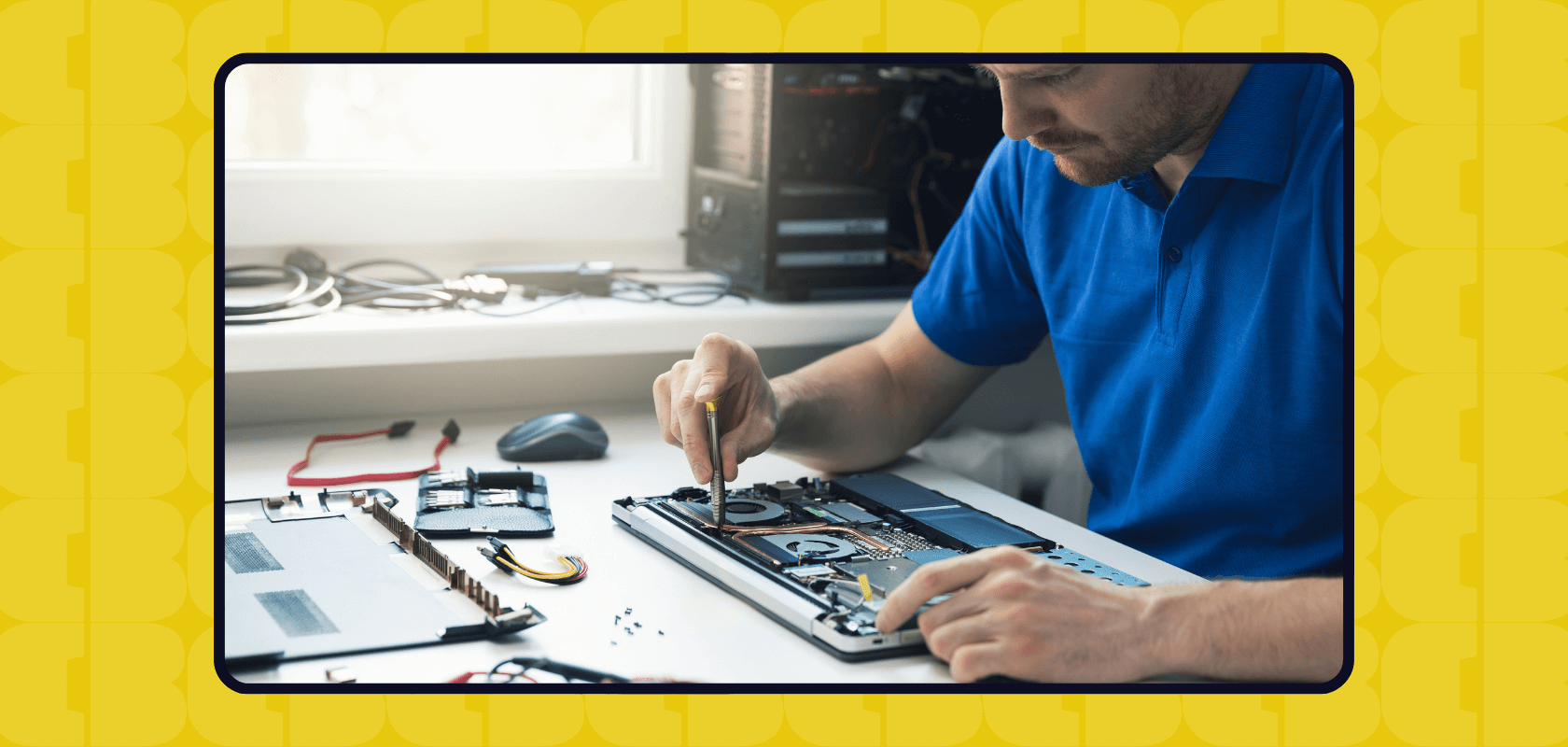
Computers and technology play a critical role in the daily functions of businesses and organizations. Computer repair technicians are information technology specialists who ensure a company's computers and networks run correctly. A computer repair technician is an ideal job for someone with an analytical mind who enjoys working with technology, troubleshooting, and resolving technical issues. If you have an aptitude for technology and want to pursue a career in IT, you might consider becoming a computer repair technician. The following five steps outline how to become a computer repair technician:
Understanding the role
Your primary responsibility as a computer repair technician, or computer support specialist, is to ensure the organization's computers and servers function correctly. Here is more information about the role of a computer repair technician:
Duties and responsibilities
A computer repair technician has a wide variety of duties and responsibilities, and your typical tasks include:
- Installing, maintaining, and repairing computer hardware and software
- Understanding a client's concerns or problems with their computer system's performance
- Troubleshooting and resolving technical issues
- Performing diagnostic testing on computers, networks, and systems
- Installing or updating computer hardware or software
- Repairing or replacing computer components
- Scanning for viruses, spyware, and malicious programs
- Uninstalling inactive programs or software
- Setting recovery points on computers or resetting machines to a previous recovery point
Work environment
Computer repair technicians typically work for organizations or provide services to individual clients as a freelancer. You can work in a variety of environments, including:
- Computer repair centers
- Computer retail stores
- Private corporations
- Government offices
- Schools or universities
- Hospitals or healthcare organizations
- Home offices
Work hours
Computer repair technicians usually work full-time. Since IT systems and software need round-the-clock support, your job may involve nights, weekends, and holidays. Some positions offer premiums for shifts outside of standard business hours.
Salary range
CareerBuilder says the average annual salary for computer technicians is $61,500. Compensation may vary depending on factors such as your geographical location, industry, and experience.
Job outlook
The U.S. Bureau of Labor Statistics predicts that the employment of computer support specialists will grow 6% from 2021 to 2031, slightly faster than the national average for all occupations. Many of these expected job openings will result from computer support specialists changing careers or retiring.
Attain the necessary education and certifications
Computer repair technician positions generally require a high school diploma or an equivalent, such as a GED. Useful subjects for the job include computer science, technology, physics, math, and engineering. Consider earning an associate or a bachelor's degree in one of the following majors:
- Computer science
- Computer repair technology
- IT
- Computer maintenance
An additional degree or certification may give you a competitive advantage when you start applying for jobs. IT certification programs also prepare you to become a computer repair technician. You can earn these at a community college, vocational school, or through online training.
Some credentials are general, such as the CompTIA A+ certification, which is a widely recognized, non-specific vendor certification that teaches the basic principles of computer hardware and software, networking, operating systems, and troubleshooting skills. Others, including Microsoft, Apple, or Google Cloud certifications, are vendor specific.
After gaining a general certification and experience, many IT professionals specialize in a field, such as help desks, networking, security, or mobile devices. Consider taking additional courses to keep up with industry standards and expand your resume. A degree or certification may make you a more desirable candidate in the competitive IT industry. Research job listings for positions of interest to determine the credential requirements in your desired area of specialization.
"A computer repair technician is an ideal job for someone with an analytical mind who enjoys working with technology, troubleshooting, and resolving technical issues."
Develop the necessary technical and soft skills
A computer repair technician role requires a combination of technical and soft skills. Acquiring these abilities and featuring them on your resume can set you apart from other candidates when applying for a computer support specialist job.
Useful technical and soft skills to develop include:
- Hardware management: An understanding of IT hardware, including servers and individual devices, is necessary, as troubleshooting and repairing or replacing hardware are typically your responsibility as a technician.
- Software management: Technicians manage software issues, including installing, updating, and uninstalling programs, which requires the skills to troubleshoot and run diagnostic tests.
- Technical knowledge: While the specific knowledge you require may vary depending on the role, a basic understanding of computer software and systems, hardware, networks, and coding is necessary for computer repair technician positions.
- Problem-solving: Troubleshooting computer and network problems is key for a computer technician, and proficient problem-solving skills help you identify and resolve technical issues.
- Communication: Communication is critical to understanding clients' needs and identifying technical issues. Active listening is fundamental in this role, and the ability to explain technical issues to non-technical users is a valuable skill.
Explore additional resources
There are a range of resources available to help you develop your skills and perform the role of a computer support specialist, including:
- Books: Books and manuals on various computer-related fields allow you to enhance your knowledge of general and specific topics. Start broad, and then delve into the subjects most relevant to your areas of specialization.
- Technical support websites: An array of valuable online resources allow you to gain and grow your technical and troubleshooting skills. iFixit, TechRepublic, and Computer Hope are websites providing technical guides and troubleshooting support on a range of issues.
- Online training: Sites such as Microsoft Virtual Academy, CompTIA, and Toms's Hardware offer free training, trending news, and resources for IT professionals.
You can provide tech support voluntarily to implement what you learn and advance your skills. For instance, help your friends with their systems, offer to provide computer support at a church or local organization, or find a paid or voluntary intern position to get experience.
You might also consider building a computer from scratch. Creating a computer system allows you to develop the foundation skills you require to become a computer repair technician.
Find a job
Once you have the necessary education and training, apply for suitable positions. Follow the steps below to pursue a computer repair technician role:
Prepare a compelling resume
Create a resume highlighting your technical abilities, soft skills, education, and certifications. List your work experience, including any volunteer experience or internships. Look at the job descriptions for the positions that interest you to identify keywords. Outlining specific, measurable accomplishments from previous positions can help you distinguish yourself from other IT professionals.
Practice interviewing
While interviewing for a position might feel intimidating, there are ways you can prepare and build your confidence. Review common interview questions and responses. Ask a previous manager or instructor to conduct a practice interview session with you. Consider using the STAR method to answer behavioral interview questions, a technique where you describe the situation you faced, the task required, the action you took, and the results you achieved.
Post your resume online
When you're ready to find a job, create an account, and upload a resume to the CareerBuilder site. Search for computer repair technician jobs in your area and sign up for job alerts to receive notifications of open positions so you can be the first to apply.
A computer repair technician role is challenging and fulfilling role. The job can also lead to a range of IT positions in various industries. Follow these steps on how to become a computer repair technician to launch your IT career, then visit CareerBuilder CoLab to compare salaries and discover top companies now hiring computer support specialists.
More tips for finding a job in IT
Before you enroll in a training program, explore our list of the best Google professional certifications to pursue.
Consider similar technology jobs that are expected to see strong growth, including computer user support specialists and application developers.
To stand out from other applicants, avoid common resume mistakes, such as spelling errors, and customize your resume to the position you're applying for.
Explore six jobs that combine technology and healthcare.


Recommended Content:
-

GPA on your resume: Should you include it, and how?
Learn when to include your GPA on your resume and see best practices for presenting it to increase your chances of securing your dream role.
Read Article
-

How to find a mentorship
Learn how to find a mentorship that can guide your career, why business mentors are essential to career success, and what to look for in your mentor.
Read Article
-

Is marketing a good career for you?
Learn whether a marketing career is a good choice for you with this guide that explains types of marketing careers and the skills you need for this role.
Read Article