
How to evaluate candidates’ soft skills
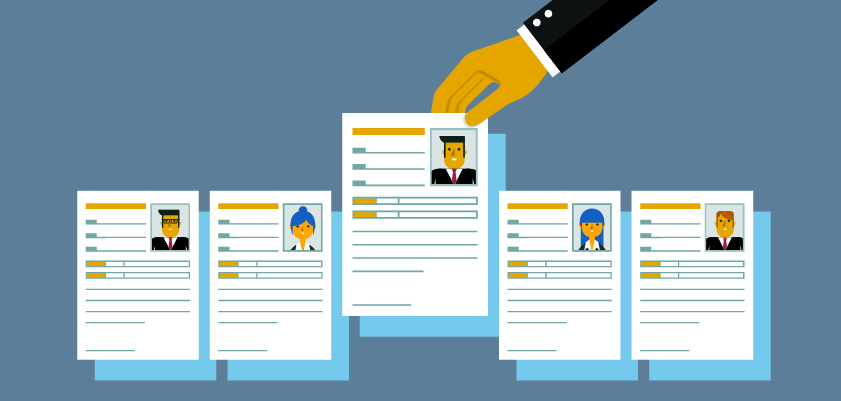
Watch out, hard skills and technical know-how: You’ve got competition. According to CareerBuilder research, 63 percent of employers said one of the top questions they’re trying to answer when looking for candidates is “what are their soft skills?”
So, what are soft skills? Soft skills typically describe communication, leadership, critical thinking, creativity, collaboration, team skills, relationship management and a long list of other so-called intangible traits. Though they are hard to measure quantitatively, soft skills remain a sought after trait and recognized business differentiator among employers.
Perhaps the heavy focus on soft skills has to do with the fact that employers have been struggling to find candidates with the hard skills they need (particularly when it comes to technology skills and big data expertise). Many employers have even reported that they’ve started focusing on cultural fit and potential over skills, figuring they can train them on-the-job with the necessary hard skills.
The one interview question to ask to evaluate soft skills
Whether through pre-employment testing or during the interview process, using behavioral interview questions is one of the most effective ways to evaluate a candidate’s soft skills. Behavioral interview questions are those that center around real-life experiences the candidate has had, as opposed to hypotheticals. For example, instead of asking, “What would you do if…?” ask “Tell me about a time when…” or “Give me an example of…”
There are two main reasons behavioral interview questions work: One, past behavior is a better predictor of future success on the job than potential behavior, according to workforce management expert Nancy Newell, because it helps predict future success on the job by looking into past behavior; two, when they hear questions shaped around potential behavior, candidates are more likely to say what they think you want to hear.
By asking for real-life examples, you’ll get more insight into candidates’ soft skills, such as how well they work under pressure, how they communicate and their work ethic. Some more examples of behavioral interview questions include:
- Describe a time when you had a problem with a supervisor and what you did to resolve it.
- Give me an example of how you handled a very tense situation at work.
- Tell me about a time when you had difficulty getting others to work together on a critical problem and how you handled it.
- Tell me about the best leader you have worked with, why you felt this way, and what you learned from that person.
- Describe a problem you faced that was almost overwhelming and how you got through it.
Keep in mind, of course, that these questions are not foolproof – there is no “magic bullet” when it comes to hiring, says Newell – however, behavioral interview questions are your best bet for finding employees with the soft skills your organization values most.

Recommended Content:
-

Female workers nearly 3x more likely to think there is pay disparity at work
Explore the causes behind the scenes of female pay disparities in the workplace before exploring how organizations can take a proactive approach to equal pay.
Read Article
-

Do’s and don’ts for making the workplace fun
Forcing fun in the workplace can backfire, so use the do’s and don’ts in this guide to help you make the right move when you’re trying to encourage fun at work.
Read Article
-

Supply chain trends that can impact hiring
Discover top supply chain trends that can impact hiring, including some roles emerging in relation to these trends, to help your company remain competitive.
Read Article